Common plant disease in Nepal
Some of the common plant disease in Nepal.
1. Late Blight (Potato, Tomato) - आलु र गोलभेंडाको ढिलो झुल
- Caused by: Phytophthora infestans (a fungus-like pathogen)
- Symptoms: Brown or black spots on leaves, stem rot, and tuber rot in potatoes.
- Prevention/Control:
- Use resistant varieties of potato and tomato.
- Apply fungicides such as copper-based products.
- Avoid overhead irrigation and practice crop rotation.
- Remove and destroy infected plants.
2. Bacterial Wilt (Tomato, Potato, Chili) - बेक्टेरियल बास्ना
- Caused by: Ralstonia solanacearum
- Symptoms: Wilting of leaves during hot days, brown discoloration of vascular tissue in the stem.
- Prevention/Control:
- Use resistant plant varieties.
- Ensure good drainage and avoid waterlogging.
- Remove infected plants and practice proper crop rotation.
- Solarization (heating the soil using plastic mulch) can reduce bacterial load in the soil.
3. Powdery Mildew (Cucumbers, Peas, Apples) - सेतो ढुसी रोग
- Caused by: Various fungal species (e.g., Erysiphe spp.)
- Symptoms: White, powdery spots on leaves, stems, and flowers.
- Prevention/Control:
- Apply sulfur or potassium bicarbonate-based fungicides.
- Ensure proper air circulation by maintaining good plant spacing.
- Avoid overhead watering.
- Plant disease-resistant varieties if available.
4. Downy Mildew (Mustard, Cucurbits) - कालो ढुसी रोग
- Caused by: Pseudoperonospora cubensis (cucurbits), Peronospora brassicae (mustard)
- Symptoms: Yellow patches on leaves with grayish-purple fuzz on the undersides.
- Prevention/Control:
- Use resistant varieties.
- Spray appropriate fungicides (e.g., mancozeb or copper-based).
- Remove affected plant debris after harvest.
- Maintain good ventilation and reduce humidity.
5. Rice Blast (Rice) - धानको ब्लास्ट रोग
- Caused by: Magnaporthe oryzae (fungus)
- Symptoms: Diamond-shaped lesions on leaves, neck rot, reduced grain production.
- Prevention/Control:
- Grow resistant rice varieties.
- Apply fungicides like tricyclazole or carbendazim.
- Avoid excessive nitrogen fertilization.
- Practice crop rotation and manage irrigation.
6. Anthracnose (Chili, Mango, Banana) - सुत्केरी रोग
- Caused by: Colletotrichum species (fungus)
- Symptoms: Black or dark sunken spots on fruits, leaves, and stems.
- Prevention/Control:
- Spray fungicides like chlorothalonil or copper-based compounds.
- Avoid overhead irrigation.
- Prune and remove infected plant parts.
- Provide proper spacing and airflow around plants.
7. Fusarium Wilt (Banana, Tomato) - फ्युजेरियम विल्ट
- Caused by: Fusarium oxysporum (soil-borne fungus)
- Symptoms: Yellowing of leaves, wilting, and browning of the vascular system.
- Prevention/Control:
- Use resistant varieties of crops.
- Ensure proper drainage and avoid waterlogging.
- Practice crop rotation with non-host crops.
- Apply bio-control agents like Trichoderma.
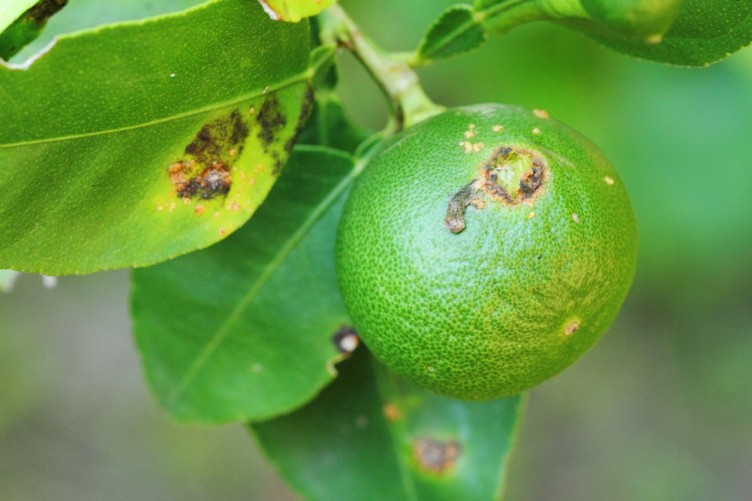
8. Citrus Canker (Citrus Fruits) - सुन्तला क्यान्कर
- Caused by: Xanthomonas citri (bacterial infection)
- Symptoms: Brown, raised, corky lesions on leaves, fruits, and stems.
- Prevention/Control:
- Use disease-free plant materials.
- Prune affected areas and destroy infected material.
- Spray copper-based bactericides.
- Implement strict sanitation measures to prevent the spread.
9. Mosaic Virus (Cucurbits, Tobacco, Tomato) - मोसेइक भाइरस रोग
- Caused by: Various viruses like Tobacco Mosaic Virus (TMV), Cucumber Mosaic Virus (CMV)
- Symptoms: Mottling, yellowing of leaves, stunted growth.
- Prevention/Control:
- Use virus-resistant plant varieties.
- Control aphids, which act as vectors for the virus.
- Avoid planting near infected plants.
- Remove and destroy infected plants.
10. Clubroot (Cabbage, Cauliflower, Mustard) - गाठे रोग
- Caused by: Plasmodiophora brassicae (soil-borne pathogen)
- Symptoms: Swollen, club-like roots, stunted plant growth.
- Prevention/Control:
- Practice crop rotation and avoid planting in infected soil.
- Lime the soil to increase pH (above 7.0), which reduces disease severity.
- Use disease-resistant varieties if available.
General Tips for Managing Plant Diseases:
- Proper Sanitation: Clean tools and equipment regularly, remove diseased plants, and avoid leaving plant debris in the field.
- Crop Rotation: Rotate crops with non-host plants to break the cycle of disease-causing pathogens.
- Soil Health: Maintain soil health through the addition of organic matter and ensuring good drainage.
- Use Resistant Varieties: Opt for disease-resistant varieties whenever possible.
- Chemical Control: Use fungicides, bactericides, or insecticides judiciously to avoid resistance buildup and environmental harm.
- Biological Control: Use natural predators, beneficial microbes, and other biological agents to manage pests and diseases.
These diseases are common in Nepal, and proper management can help protect the crops from severe damage, ensuring better yields and healthier plants.